
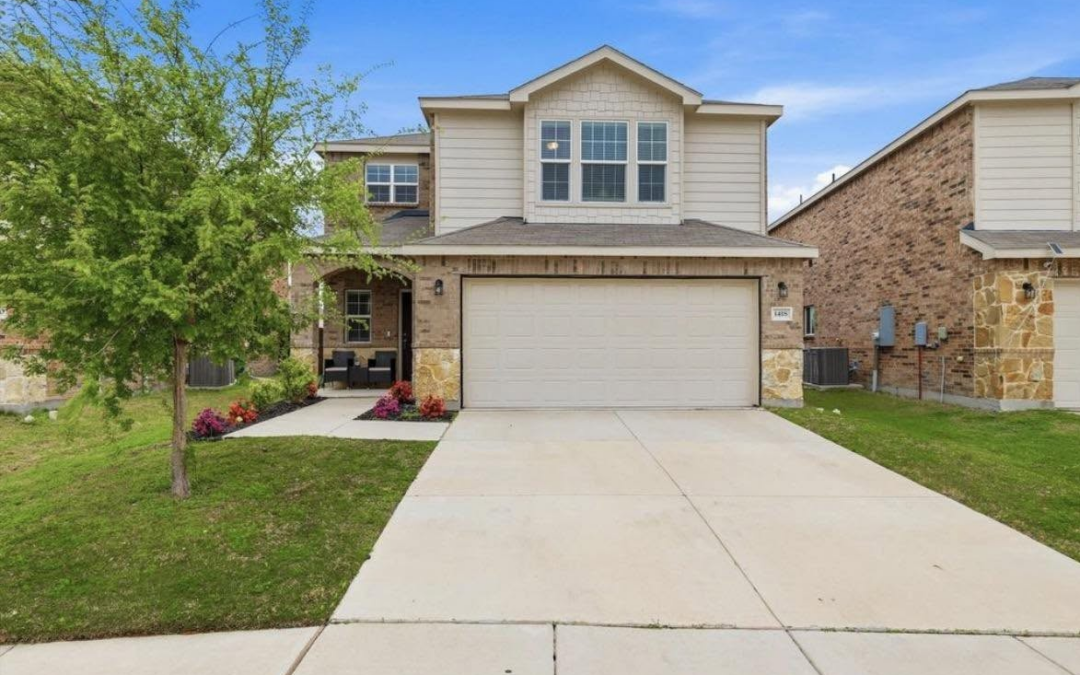
Is Real Estate a good investment? For many people, property can be a valuable way to build wealth, create ongoing income, and diversify a financial portfolio. However, buying a property is not automatically profitable. Location, purchase price, financing, maintenance costs, market conditions, and the investor’s long-term goals all influence the outcome. Unlike some investments that can be bought and sold quickly, real estate usually requires a larger upfront commitment and ongoing management. At the same time, property can provide benefits such as rental income, potential appreciation, and certain tax advantages. Understanding both the opportunities and risks is important before making a purchase. Whether you are considering a rental property, a home that could appreciate over time, or another type of investment property, learning how the numbers work can help you make a more informed decision.
Potential for Long-Term Appreciation
One of the biggest reasons people consider Real Estate an investment is the potential for property values to increase over time. While prices can rise and fall in the short term, desirable properties in strong markets may become more valuable as demand grows. Population changes, employment opportunities, infrastructure improvements, and limited housing supply can all influence appreciation. However, appreciation should never be treated as a guarantee. A property purchased in an overheated market may take years to recover if prices decline. Economic conditions, interest rates, local development, and changes in buyer demand can affect how quickly a property’s value changes. The location of a property is particularly important. A home near employment centers, schools, shopping, transportation, recreational opportunities, or other desirable amenities may attract more buyers and renters. Investors should research the neighborhood rather than relying solely on broad national housing trends.
Rental Income Can Create Cash Flow
Rental properties can provide another major advantage: recurring income. An investor purchases a property and rents it to tenants, using the rental payments to help cover expenses such as the mortgage, property taxes, insurance, repairs, and management. If the rental income exceeds the property’s operating expenses and financing costs, the investor may generate positive cash flow. This can provide an ongoing source of income while the owner continues building equity through mortgage payments. Cash flow depends heavily on the local rental market. Investors should research comparable rental properties and determine what tenants are realistically willing to pay. Overestimating rental income can make an otherwise attractive property appear more profitable than it actually is. Expenses also need to be estimated carefully. Maintenance, vacancies, property management, utilities, insurance, taxes, and unexpected repairs can reduce monthly profits. A responsible investor should leave room for these costs instead of assuming every rental dollar becomes income. 
Building Equity Over Time
Another benefit of owning property is the opportunity to build equity. Equity represents the portion of a property’s value that belongs to the owner after accounting for any outstanding mortgage balance. With a traditional mortgage, each principal payment gradually reduces the amount owed. If the property also increases in value, the owner’s equity can grow from both loan repayment and appreciation. This process can make property ownership appealing for long-term investors. Instead of simply paying rent to a landlord, an owner may be converting part of each mortgage payment into an ownership stake in the property. However, not every mortgage payment immediately creates a large amount of equity. Early payments on many traditional loans are weighted more heavily toward interest, so building substantial equity can take time. Investors should also remember that property ownership comes with costs that do not directly increase equity. Closing costs, repairs, insurance, taxes, and maintenance can represent significant expenses. Therefore, equity growth should be evaluated alongside the property’s total cost of ownership.
Tax Considerations for Property Owners
Taxes can influence the overall financial performance of an investment property. Depending on the investor’s location and circumstances, certain property-related expenses may receive favorable tax treatment. Rental property owners may potentially deduct qualifying expenses associated with operating their properties. These can include certain maintenance costs, property management expenses, insurance, and other eligible costs. Depreciation may also play a role in the tax treatment of qualifying investment property. Tax rules are complex, and the benefits available to one investor may not apply to another. The type of property, ownership structure, income, financing arrangement, and whether the property is rented or personally occupied can all affect tax treatment. Investors should also consider taxes that may apply when selling a property. A profitable sale does not necessarily mean the entire difference between the purchase price and selling price becomes available as tax-free cash. Because tax regulations can change, investors should avoid making decisions based solely on general assumptions about tax benefits. A qualified tax professional can explain how applicable rules affect a specific purchase.
Real Estate Has Significant Costs
Although property can create wealth, investors should not overlook the expenses involved. Purchasing a property requires more than simply having enough money for a down payment. Buyers may encounter closing costs, inspections, appraisal fees, lender charges, insurance, property taxes, and immediate repair or improvement expenses. Depending on the property, these costs can add a substantial amount to the initial investment. Ongoing ownership also requires financial planning. Roof repairs, plumbing problems, heating and cooling systems, appliances, landscaping, and other maintenance issues can become expensive. Rental properties may also experience periods when no tenant is paying rent. These expenses are one reason investors should maintain adequate cash reserves. Having money available for unexpected costs can prevent a temporary problem from becoming a major financial setback. Financing is another important consideration. Mortgage interest rates directly affect monthly payments and can significantly change whether a property produces positive cash flow. A property that looks attractive when rates are low may produce a very different return when borrowing costs increase.
Location Can Make a Major Difference
Location is one of the most important factors when evaluating an investment property. Two homes with similar sizes and features can perform very differently when they are located in different neighborhoods. Investors should examine factors such as local employment, population trends, housing supply, rental demand, schools, transportation, shopping, and planned development. These characteristics can influence both the property’s potential resale value and its ability to attract tenants. Local market research is especially important because real estate conditions can vary dramatically between cities and even between neighborhoods. A national housing trend does not necessarily describe what is happening in a specific community. Investors should also consider the property’s immediate surroundings. A convenient location with desirable amenities may attract stronger demand than a similar property in an area with fewer services or employment opportunities. 
Understanding the Risks of Investing
Like any investment, Real Estate involves risk. Property values can decline, rental demand can weaken, interest rates can increase, and unexpected expenses can reduce returns. One common risk is having too much money tied up in a single property. Unlike publicly traded investments that can often be sold relatively quickly, selling a property can take time and involve commissions, closing costs, repairs, and other expenses. Rental properties carry additional risks. Tenants may leave unexpectedly, rent may not be paid on time, or a property could remain vacant between tenants. Significant repairs can also occur at inconvenient times. Market risk should also be considered. Economic downturns can affect employment, housing demand, and property values. Investors who need to sell during an unfavorable market may have fewer options.
When Property May Be a Good Investment
So, is Real Estate a good investment for everyone? Not necessarily. Property can be a strong choice for someone who has sufficient savings, a manageable financing plan, realistic expectations, and a willingness to hold the investment for the long term. The best opportunity is usually one where the numbers make sense before emotions enter the decision. Investors should understand the purchase price, expected income, expenses, financing costs, taxes, and potential risks. Personal financial circumstances also matter. Someone carrying significant high-interest debt or lacking emergency savings may need to strengthen their financial position before purchasing an investment property. Time commitment is another consideration. Rental ownership can involve advertising vacancies, communicating with tenants, arranging repairs, handling paperwork, and monitoring expenses. Professional management can reduce the workload but will affect profitability.
Conclusion
Real estate can be a worthwhile investment when it aligns with your financial goals, risk tolerance, and long-term plans. Potential benefits include property appreciation, rental income, equity growth, and possible tax advantages. However, investors must also account for financing costs, maintenance, vacancies, taxes, market fluctuations, and other ownership expenses. The key is to evaluate each property carefully instead of assuming every purchase will produce a profit. Location, purchase price, rental demand, financing, and future market potential should all be considered before making a commitment. If you are exploring property opportunities in East Tawakoni, Reed East TX Real Estate can help you better understand the local market and available options. For more information or assistance with your property goals, call 972-989-4888.
https://dawnreed198347.podbean.com/e/is-real-estate-a-good-investment/
https://www.podomatic.com/podcasts/dawnreed198347podcast/episodes/2026-09-14T10_27_50-07_00
https://stream.redcircle.com/episodes/fa9e25bc-d31c-4d3c-83ee-c7dd815d8986/stream.mp3